
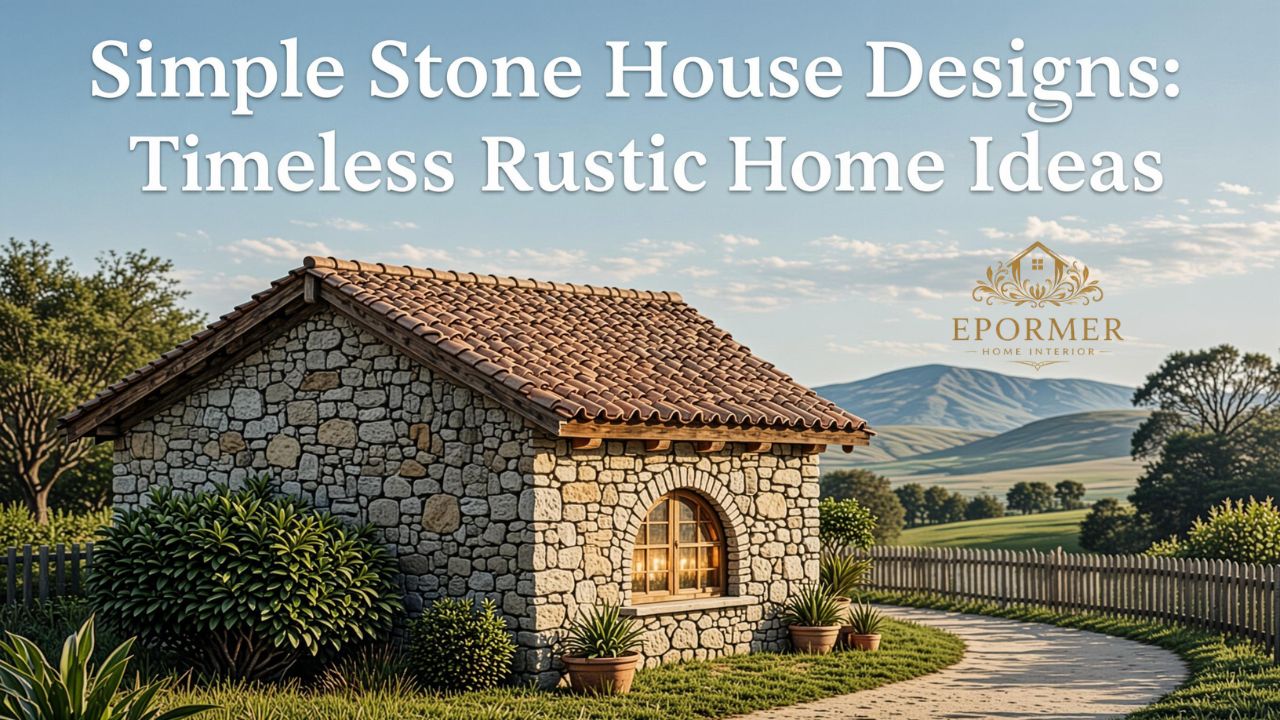
Introduction
There’s something deeply comforting about homes built from natural materials. Among them, simple stone house designs stand out for their timeless beauty, durability, and connection to nature. From quiet countryside cottages to minimalist modern homes, stone structures have a unique charm that feels both ancient and contemporary.
For centuries, people around the world have relied on stone to build homes that can withstand harsh climates and the passage of time. Today, homeowners and architects are rediscovering the appeal of these traditional structures, blending rustic character with modern comfort.
Whether you’re dreaming of a peaceful retreat in the countryside or simply love the idea of natural architecture, stone homes offer a perfect balance between elegance and simplicity. Their earthy textures, sturdy walls, and organic shapes create spaces that feel warm, grounded, and enduring.
In this guide, we’ll explore the beauty, practicality, and inspiration behind simple stone house designs, including layout ideas, materials, construction styles, and tips for creating a cozy stone home.
Stone houses have been built for thousands of years because of their strength and reliability. Unlike many modern materials, stone offers natural insulation, exceptional durability, and a timeless aesthetic.
Today’s architects are reimagining these homes with open interiors, large windows, and sustainable features that make them perfect for modern living.
Why Stone Houses Remain Popular Today
Stone homes have endured throughout history for a reason. Their natural strength and classic appearance make them appealing to both traditional and modern homeowners.
Durability That Lasts for Generations
One of the greatest advantages of stone construction is its longevity. Many historic stone houses built centuries ago still stand today with minimal structural damage.
Stone walls resist:
- Weather damage
- Fire
- Pests
- Rot and decay
This durability makes them an excellent long-term investment.
Natural Beauty and Rustic Charm
Stone offers an organic aesthetic that few other materials can match. The irregular shapes, textures, and colors of natural stone create a visual warmth that feels authentic and welcoming.
Each stone house has its own unique character because the materials themselves vary in color and pattern.
After exploring the lasting appeal of stone homes, it’s easy to understand why they remain a favorite among architects and homeowners alike.
Key Characteristics of Simple Stone House Designs
Not all stone houses are large mansions or historic castles. Many modern designs focus on simplicity, functionality, and efficiency.
Compact Layouts
Most simple stone house designs feature compact floor plans that maximize space without unnecessary complexity.
Common layouts include:
- One-story cottages
- Small countryside homes
- Compact family houses
- Minimalist rural retreats
These designs emphasize practical living rather than extravagant space.
Thick Stone Walls
Stone walls are usually thicker than those made from modern construction materials. This provides several advantages:
- Natural insulation
- Structural stability
- Soundproofing
- Temperature regulation
Homes stay cooler in summer and warmer in winter.
Neutral Natural Color Palettes
Stone houses typically feature earthy tones that blend naturally with the surrounding environment.
Popular stone colors include:
- Gray granite
- Warm sandstone
- Brown limestone
- Cream-colored fieldstone
These natural tones create a calming and timeless visual appeal.
Types of Stones Used in House Construction
Different types of stone can dramatically influence the appearance and structure of a home.
Limestone
Limestone is one of the most commonly used stones for residential construction. It has a smooth texture and light natural color.
Benefits include:
- Easy to shape and cut
- Elegant appearance
- Good weather resistance
Granite
Granite is extremely strong and durable, making it ideal for structural walls.
Key characteristics include:
- High density
- Exceptional durability
- Beautiful natural patterns
Sandstone
Sandstone offers a softer, warmer appearance that works beautifully in rustic homes.
It provides:
- Natural warmth in color
- Easy shaping for decorative features
- A classic countryside look
Stone materials influence both the style and structural integrity of a home, making material selection a crucial step in designing stone houses.
Popular Layout Ideas for Stone Homes
Homeowners today are exploring new layouts that combine traditional stone construction with modern design principles.
Open Concept Interiors
Modern stone homes often feature open floor plans to create spacious interiors.
Benefits include:
- Better natural lighting
- Improved airflow
- Larger communal spaces
Large windows are often added to balance the heavy stone exterior.
Stone Cottage Layout
A cottage-style stone house typically includes:
- Small living room with fireplace
- Compact kitchen
- Two bedrooms
- One bathroom
These homes are perfect for rural settings or vacation retreats.
Courtyard Stone Houses
Some architects design stone homes around small courtyards.
Advantages include:
- Private outdoor spaces
- Natural ventilation
- Additional sunlight
This layout works well in warmer climates.
Design Elements That Enhance Stone Homes
While stone forms the structural base of these homes, additional design elements can elevate their appearance.
Wooden Beams and Ceilings
Wood pairs beautifully with stone. Exposed wooden beams soften the rugged look of stone walls and add warmth to interior spaces.
Large Windows
Modern simple stone house designs often incorporate large windows to create contrast with the thick stone walls.
This provides:
- Natural lighting
- Scenic outdoor views
- Modern architectural balance
Stone Fireplaces
Fireplaces are a classic feature in stone homes. A central stone fireplace can serve as both a functional heating element and a visual centerpiece.
Advantages of Living in a Stone House
Stone homes provide more than aesthetic value. They also offer several practical benefits.
Energy Efficiency
Stone naturally regulates temperature due to its thermal mass.
This helps maintain stable indoor temperatures, reducing heating and cooling costs.
Low Maintenance
Unlike wood or synthetic siding, stone requires very little maintenance.
Benefits include:
- No repainting
- Resistance to pests
- Long lifespan
Environmental Sustainability
Natural stone is an eco-friendly material that requires minimal processing compared to many modern building materials.
Modern Trends in Stone Architecture
Architects are blending traditional stone construction with contemporary design features.
Minimalist Stone Homes
Minimalist designs focus on clean lines, simple geometry, and uncluttered interiors.
These homes often feature:
- Smooth stone walls
- Flat roofs
- Large glass panels
Mixed Material Homes
Many modern homes combine stone with materials such as:
- Glass
- Steel
- Wood
This combination creates visually striking architectural contrasts.
Sustainable Stone Homes
Eco-conscious builders now use stone alongside sustainable technologies such as:
- Solar panels
- Green roofs
- Rainwater harvesting systems
These innovations allow stone homes to remain environmentally responsible.
Planning Your Own Stone House
Building a stone home requires thoughtful planning.
Important considerations include:
Budget
Stone construction can sometimes be more expensive than standard materials, depending on the type of stone and labor required.
However, the long lifespan often offsets the initial cost.
Location
Stone homes work best in rural or natural settings where their rustic aesthetic complements the surrounding environment.
Skilled Construction
Working with experienced masons and architects is essential for achieving structural stability and high-quality craftsmanship.
FAQ
What are simple stone house designs?
They are homes built primarily with natural stone that emphasize simplicity, compact layouts, and timeless architectural styles.
Are stone houses expensive to build?
Stone houses can cost more initially, but their durability and low maintenance often make them cost-effective over time.
Do stone homes stay cool in summer?
Yes. Thick stone walls absorb heat slowly, helping maintain cooler indoor temperatures during hot weather.
Are stone houses environmentally friendly?
Natural stone is an eco-friendly material because it requires minimal processing and has a long lifespan.
Can modern houses use stone walls?
Yes. Many modern architects incorporate stone into contemporary homes for both aesthetic and structural purposes.
Are stone homes durable in extreme weather?
Stone houses are highly resistant to harsh weather conditions, including strong winds, heavy rain, and fire.
What type of stone is best for building homes?
Common choices include granite, limestone, and sandstone because of their durability and natural appearance.
Do stone homes require insulation?
In colder climates, additional insulation may be added to improve energy efficiency.
Conclusion
Stone homes represent one of the most enduring forms of architecture in human history. Their natural beauty, strength, and sustainability make them an appealing choice for homeowners seeking a balance between tradition and modern living.
Today’s simple stone house designs prove that elegance does not require complexity. With thoughtful layouts, natural materials, and timeless craftsmanship, these homes offer a peaceful and durable living environment.
Whether built as countryside retreats, family homes, or minimalist architectural statements, stone houses continue to inspire with their authenticity and enduring charm.