
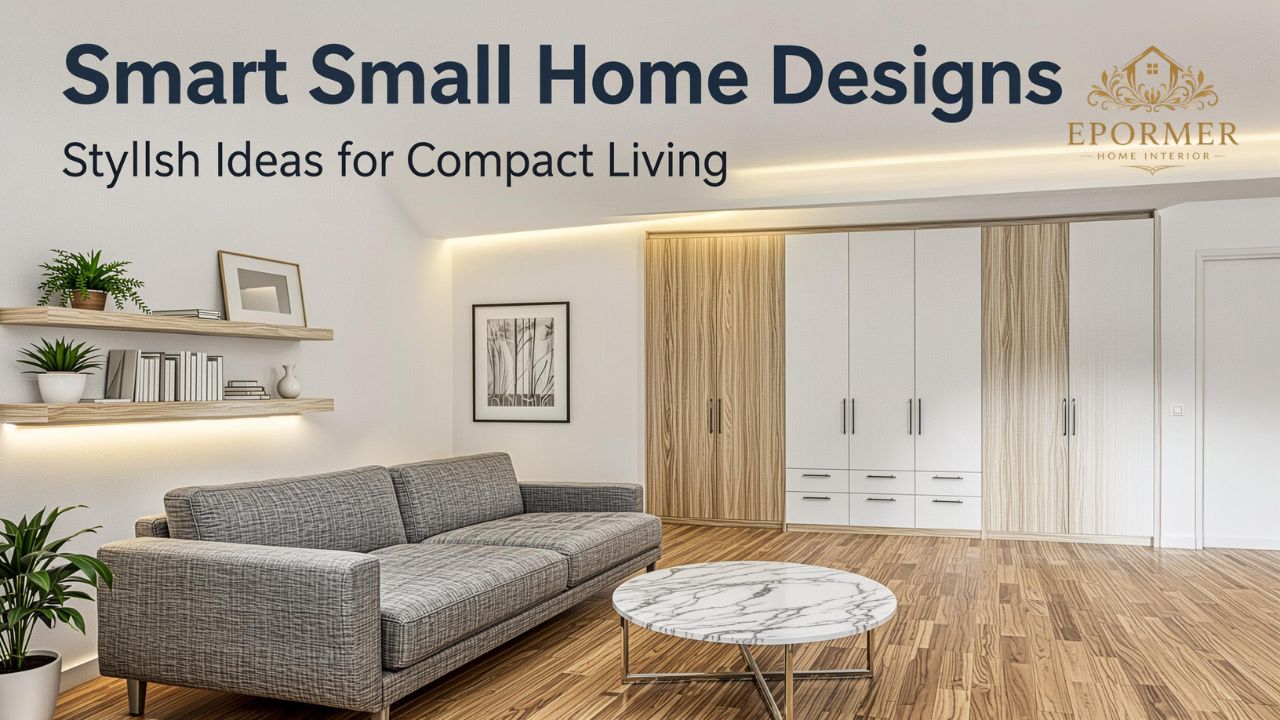
Introduction
A home doesn’t need to be large to feel comfortable, stylish, and inspiring. In fact, many homeowners today are discovering that small home designs can deliver everything they need—without the stress of maintaining oversized spaces.
As urban land prices rise and people look for simpler lifestyles, compact living has become more appealing than ever. Thoughtfully designed smaller homes can feel open, efficient, and beautifully organized while still reflecting personality and comfort.
From modern minimalist houses to cozy cottage-inspired spaces, smart layouts make it possible to enjoy every square foot. When done right, a smaller home can feel surprisingly spacious while reducing costs, clutter, and environmental impact.
In this guide, we’ll explore creative ideas, practical layouts, and expert insights that make compact homes both functional and beautiful.
Why Compact Living Is Becoming Popular
Across the world, people are rethinking the traditional idea of large houses. Instead of focusing on square footage, many homeowners prioritize efficiency, sustainability, and smarter design.
Affordability and Lower Costs
Smaller homes are typically more affordable to build and maintain. Construction costs decrease significantly when the footprint is smaller, allowing homeowners to invest in quality materials or energy-efficient systems.
Utility bills also drop because heating and cooling smaller spaces requires less energy.
Simpler Lifestyle
Living in a compact home encourages intentional living. Instead of accumulating unnecessary belongings, residents focus on items that truly matter.
Benefits include:
- Less clutter
- Easier maintenance
- Reduced cleaning time
- Lower environmental footprint
Sustainability Benefits
Smaller homes naturally use fewer materials during construction and consume less energy over time. This makes them attractive for eco-conscious homeowners seeking sustainable living solutions.
Key Principles Behind Successful Small Home Designs
Designing a compact house requires careful planning. Every inch must serve a purpose while still maintaining comfort and style.
Efficient Layout Planning
The layout is the foundation of any well-designed small house. Instead of traditional room divisions, many modern homes use open floor plans.
Common layout strategies include:
- Combined living and dining areas
- Open kitchen concepts
- Minimal hallways
- Multi-purpose rooms
These layouts create visual openness and improve natural light flow.
Smart Storage Solutions
Storage is one of the biggest challenges in compact homes. Designers often integrate storage into furniture and architectural elements.
Creative storage ideas include:
- Built-in wall shelving
- Under-stair cabinets
- Storage beds
- Fold-away desks
- Hidden kitchen compartments
These solutions keep spaces organized without adding bulky furniture.
Vertical Space Utilization
When floor space is limited, vertical design becomes essential.
Examples include:
- Tall cabinets
- Loft sleeping areas
- Wall-mounted desks
- High shelving units
Using vertical space helps maintain an uncluttered floor area.
Popular Styles in Small Home Designs
Compact homes can be designed in many architectural styles. Choosing the right style helps create character and visual harmony.
Modern Minimalist Homes
Minimalist architecture is one of the most popular choices for small houses. Clean lines, neutral colors, and simple furniture help create a sense of openness.
Typical features include:
- Large windows
- Open floor plans
- Minimal decorations
- Light color palettes
Scandinavian Inspired Homes
Scandinavian design focuses on functionality, warmth, and simplicity. It works especially well for compact homes.
Key elements include:
- Natural wood finishes
- Soft neutral tones
- Cozy lighting
- Multi-purpose furniture
Cottage-Style Compact Houses
For homeowners who prefer charm and character, cottage-inspired homes provide a cozy atmosphere.
Common features include:
- Sloped roofs
- Decorative windows
- Rustic materials
- Compact but welcoming interiors
Interior Design Ideas for Compact Homes
Interior design plays a major role in making smaller homes feel larger and more inviting.
Light Colors and Natural Light
Light colors reflect natural light, making rooms appear larger. Whites, soft greys, and warm neutrals are excellent choices.
Large windows and skylights further enhance brightness.
Multi-Functional Furniture
Furniture that serves multiple purposes is essential in compact spaces.
Examples include:
- Sofa beds
- Extendable dining tables
- Storage ottomans
- Foldable desks
These pieces allow rooms to adapt to different needs throughout the day.
Mirrors to Expand Visual Space
Mirrors create an illusion of depth by reflecting light and surroundings.
Designers often place mirrors:
- Opposite windows
- Along hallway walls
- Behind dining areas
This trick visually enlarges the room.
Smart Technology in Modern Small Homes
Technology is transforming compact living by making homes more efficient and convenient.
Smart Lighting Systems
Smart lighting allows homeowners to control brightness and color temperature using apps or voice assistants.
Benefits include:
- Energy efficiency
- Mood lighting customization
- Automatic scheduling
Integrated Appliances
Compact homes benefit from built-in appliances that reduce clutter and save space.
Examples include:
- Integrated refrigerators
- Combination washer-dryers
- Induction cooktops
Home Automation
Automation systems manage heating, lighting, and security efficiently.
This improves comfort while reducing energy consumption.
Outdoor Extensions for Small Homes
Even a compact house can feel larger when outdoor areas are designed thoughtfully.
Patio and Deck Spaces
A small deck or patio creates an outdoor living room where families can relax, dine, or entertain guests.
Popular additions include:
- Outdoor seating
- Pergolas
- Fire pits
Garden Integration
Small gardens or vertical plant walls bring nature closer to the home while improving air quality and aesthetics.
Common Mistakes to Avoid in Small House Planning
While compact homes offer many advantages, poor design choices can reduce comfort.
Common mistakes include:
- Overcrowding furniture
- Ignoring storage needs
- Using dark colors everywhere
- Poor lighting placement
- Blocking natural airflow
Avoiding these issues ensures a balanced and comfortable living environment.
FAQ
What makes small home designs practical?
They maximize available space through efficient layouts, smart storage, and multi-functional furniture while maintaining comfort and style.
How big is considered a small home?
Most compact homes range between 400 and 1,200 square feet depending on layout and architectural style.
Are smaller houses cheaper to build?
Yes. Smaller houses typically require fewer materials, less labor, and lower energy usage, making them more affordable overall.
Can a small house still look luxurious?
Absolutely. High-quality materials, thoughtful lighting, and modern design elements can make even a small house feel elegant.
What colors work best in compact homes?
Light and neutral tones such as white, beige, light grey, and soft pastels help make rooms feel larger and brighter.
Is open-plan layout better for small homes?
Yes. Open layouts remove unnecessary walls, allowing better light flow and creating the illusion of more space.
How do designers increase storage in compact homes?
They use built-in cabinets, under-bed storage, wall shelving, and hidden compartments within furniture.
Are tiny homes the same as small houses?
Tiny homes are usually under 400 square feet, while small houses may be larger but still designed efficiently.
Conclusion
A well-planned home is not defined by its size but by how effectively the space is used. Thoughtful architecture, smart storage, and modern design ideas can transform even the smallest house into a comfortable and stylish living environment.
As more people embrace simpler lifestyles, compact houses are becoming symbols of efficiency, creativity, and sustainability. With the right approach, a smaller home can provide everything needed for comfortable living—while offering beauty, warmth, and practicality in every corner.