
Introduction
There’s something undeniably magical about a small cottage. It evokes images of warm lights glowing through tiny windows, a quiet garden outside, and the comforting feeling of home wrapped into a modest space. In a world that often celebrates bigger and faster, the charm of living simply has never been more appealing.
A small cottage offers more than just a place to live—it represents a lifestyle centered around simplicity, comfort, and thoughtful design. Whether nestled in the countryside or tucked into a quiet neighborhood, these homes prove that beauty doesn’t depend on size.
For many people, the appeal lies in the balance between practicality and personality. A well-designed cottage can feel spacious, inviting, and deeply personal while still maintaining its cozy character.
If you’re dreaming of building, buying, or decorating a cottage, understanding how to maximize both space and style can turn a tiny home into a truly inspiring retreat.
The Enduring Charm of a small cottage
A cottage lifestyle appeals to people seeking calm and simplicity. Unlike large modern houses filled with unused rooms, a small cottage encourages intentional living.
What Defines a Cottage Home
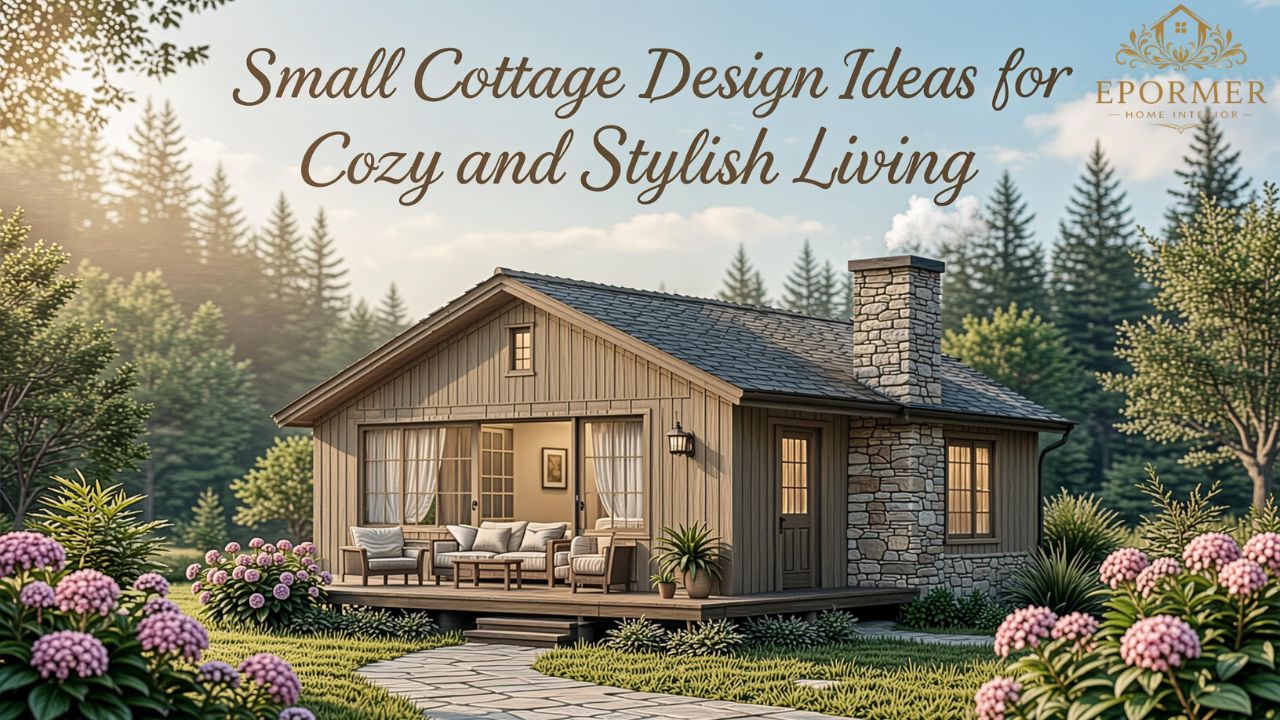
Traditionally, cottages were small rural homes built for practicality and warmth. Today, the term often refers to houses with:
- Compact layouts
- Cozy interior spaces
- Natural materials like wood and stone
- Charming architectural details
- A connection to nature
These characteristics help create the inviting atmosphere people associate with a cottage.
Why Cottage Living Is Becoming Popular Again
Modern homeowners are rediscovering the benefits of smaller homes. Rising housing costs, environmental concerns, and a desire for slower living all contribute to the renewed popularity of the small cottage.
Living in a smaller home often means:
- Lower maintenance costs
- Reduced energy consumption
- Easier cleaning and organization
- A more relaxed lifestyle
Designing a small cottage That Feels Spacious
One of the most common concerns with a compact home is space. However, a thoughtfully designed small cottage can feel surprisingly open and comfortable.
Smart Layout Planning
A functional layout is the foundation of cottage living. Instead of many small rooms, modern cottages often feature open layouts that combine living, dining, and kitchen spaces.
Key layout strategies include:
- Open-concept living areas
- Minimal interior walls
- Built-in storage solutions
- Multipurpose rooms
These techniques help create a flowing space that feels larger than its footprint.
Use of Natural Light
Natural light dramatically transforms small interiors. Large windows, skylights, and glass doors allow sunlight to brighten the home and visually expand the space.
Design tips include:
- Installing larger windows in common areas
- Using light curtains instead of heavy drapes
- Positioning mirrors to reflect sunlight
Bright interiors instantly make a small cottage feel airy and welcoming.
Interior Design Ideas for Cottage Living
Decorating a cottage is about warmth and personality rather than strict design rules. The goal is to create a home that feels comfortable and lived-in.
Choose Soft, Neutral Color Palettes
Light colors make small spaces feel larger and more relaxing. Many cottage interiors use shades such as:
- Warm whites
- Soft beige
- Pale blues
- Gentle sage greens
These tones reflect natural light and reinforce the peaceful atmosphere often associated with a small cottage.
Layer Textures for Warmth
Cottage interiors rely heavily on textures to create depth. Combining different materials helps a room feel cozy without becoming cluttered.
Popular materials include:
- Wooden furniture
- Linen curtains
- Wool blankets
- Woven baskets
- Stone or brick accents
This layered approach gives the home a welcoming character.
Space-Saving Furniture for a small cottage
Because floor space is limited, furniture selection becomes especially important.
Multi-Functional Pieces
Smart furniture can dramatically improve comfort in a cottage home.
Examples include:
- Sofa beds for guest accommodation
- Expandable dining tables
- Storage benches
- Fold-down desks
- Murphy beds
These pieces allow homeowners to enjoy flexibility without overcrowding the space.
Built-In Storage Solutions
Built-ins are a classic cottage design feature. Instead of bulky cabinets, custom shelves and benches integrate seamlessly with walls.
Benefits include:
- Efficient storage
- Clean visual lines
- Better use of corners and alcoves
Built-ins help maintain the cozy aesthetic while maximizing every inch of the home.
Bringing Nature Into Cottage Living
A strong connection to nature is one of the defining elements of cottage life.
Garden Spaces and Outdoor Living
Even a modest garden can transform the atmosphere around a cottage. Simple landscaping ideas include:
- Flower beds near windows
- A small vegetable garden
- Gravel paths
- Wooden benches or outdoor seating
These elements extend living space outdoors and enhance the charm of a small cottage.
Natural Materials Inside the Home
Nature-inspired materials strengthen the cottage aesthetic. Wood beams, stone fireplaces, and clay pottery help create a timeless look.
Decor elements might include:
- Handmade ceramics
- Wooden cutting boards
- Vintage lanterns
- Dried flowers or herbs
These details add personality while maintaining simplicity.
Decorating Tips That Elevate Cottage Style
While cottages are simple by design, thoughtful decor can make them feel special.
Focus on Character Pieces
Instead of filling rooms with many objects, choose a few meaningful items such as:
- Vintage furniture
- Antique mirrors
- Handmade quilts
- Framed artwork
These pieces add charm without overwhelming the space.
Keep Clutter Under Control
Clutter can quickly make a small home feel cramped. Organization is essential in a small cottage.
Practical strategies include:
- Using baskets for storage
- Installing wall hooks
- Choosing furniture with hidden compartments
- Rotating seasonal decor
A clean, organized space keeps the home feeling calm and inviting.
FAQ
What size qualifies as a cottage home?
A cottage typically ranges between 500 and 1,500 square feet. The defining feature isn’t just size but the cozy, charming design associated with cottage architecture.
Is a cottage suitable for year-round living?
Yes. Many modern cottages are designed for permanent living with insulation, heating systems, and efficient layouts that provide comfort in all seasons.
How can I make a small cottage feel bigger?
Using light colors, open floor plans, large windows, and multipurpose furniture can make the space feel larger and more functional.
Are cottages energy efficient?
Smaller homes naturally consume less energy for heating, cooling, and lighting, which often makes cottages more environmentally friendly.
What architectural styles work well for cottages?
Popular styles include rustic cottages, Scandinavian cottages, coastal cottages, and modern minimalist cottage designs.
Can families live comfortably in a cottage?
Yes. With thoughtful storage, efficient layouts, and multipurpose spaces, families can enjoy comfortable living in a cottage.
How expensive is it to build a cottage?
Costs vary depending on materials, location, and size. However, cottages are often more affordable than larger houses due to their compact footprint.
What makes cottage interiors unique?
Cottage interiors emphasize warmth, natural materials, soft colors, and personal decorative touches that create a relaxed atmosphere.
Conclusion
The appeal of cottage living goes far beyond architecture. A small cottage represents a slower, more intentional way of life where comfort, simplicity, and connection to nature take priority.
Whether you’re designing your dream home, renovating a countryside retreat, or simply drawn to the cozy aesthetic, cottages offer a reminder that happiness doesn’t depend on square footage. With thoughtful design, clever storage, and warm decorative touches, even the smallest home can become a peaceful sanctuary.
In the end, a cottage isn’t just about living in a small space—it’s about creating a home filled with warmth, personality, and the quiet joy of simple living.