
Introduction
A small bathroom can sometimes feel limiting, especially when it comes to choosing the right vanity. But the truth is, the right small bathroom vanity ideas can completely transform a cramped space into something stylish, functional, and surprisingly spacious.
In modern homes and apartments—where every inch counts—choosing a smart vanity design is more than just a décor decision. It’s about maximizing storage, improving layout, and creating a bathroom that feels comfortable rather than cluttered.
The good news? Small bathrooms don’t have to compromise on elegance or practicality. With thoughtful planning and creative design choices, a vanity can become the focal point that defines the entire room.
This guide explores practical design inspiration, clever storage solutions, and stylish vanity concepts that make compact bathrooms feel bigger, brighter, and more organized.
Why the Right Vanity Matters in Small Bathrooms
In any bathroom, the vanity plays multiple roles. It’s a sink base, storage area, and visual centerpiece all at once.
In a small bathroom, these functions become even more important because:
- Storage space is limited
- Layout options are restricted
- Visual clutter makes rooms appear smaller
A well-chosen vanity solves all three problems simultaneously.
Two key factors determine the success of a compact vanity:
- Scale – The vanity must fit comfortably without blocking movement
- Storage efficiency – Drawers and shelves should be optimized
When chosen carefully, a vanity can actually make the bathroom feel larger rather than smaller. Discover beautiful home décor ideas with Home The Spruce inspiration on ddrhomey.com and Wealthybytecom. Explore modern designs, cozy styling tips, and budget-friendly upgrades to transform your living space.
Space-Saving Small Bathroom Vanity Ideas
Choosing the right design style can dramatically improve functionality in a tight bathroom. These practical concepts help maximize both aesthetics and usability.
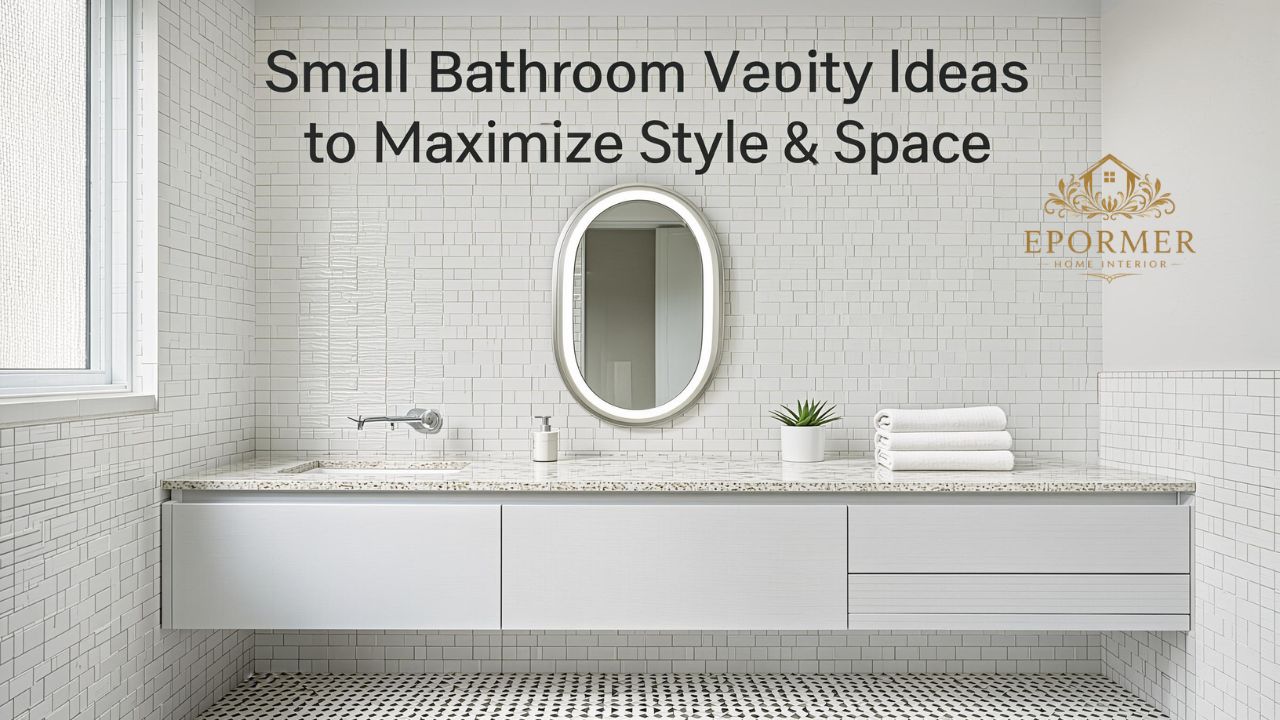
Floating Vanities for a Clean Look
Floating vanities are mounted directly to the wall, leaving open space beneath them.
This design instantly creates the illusion of a larger room because the floor remains visible.
Benefits include:
- More visual space
- Easier cleaning
- Modern minimalist appearance
Floating designs are particularly effective in contemporary bathrooms where simplicity and clean lines are preferred.
Corner Vanities to Utilize Unused Areas
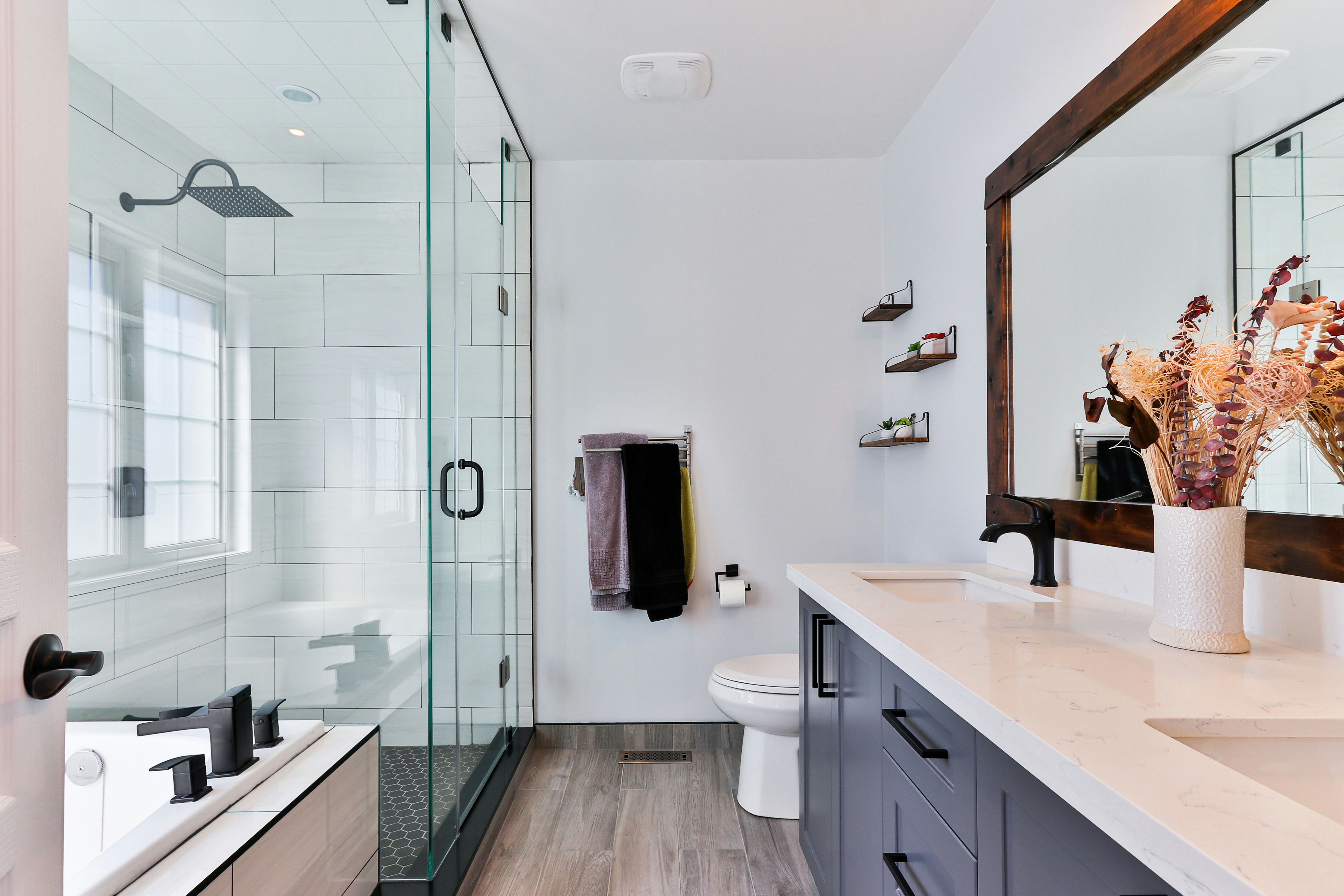
Corners often remain unused in bathrooms. A corner vanity turns this forgotten space into a functional feature.
These units are ideal for extremely tight layouts because they:
- Occupy minimal floor area
- Improve room circulation
- Provide just enough storage for essentials
A triangular or curved vanity can also soften the look of a small room.
Modern Design Styles for Compact Vanities
Design style affects how large or small a bathroom appears. Some styles naturally make spaces feel bigger and brighter.
Minimalist Vanity Designs
Minimalist vanities prioritize clean lines and simplicity.
Key characteristics include:
- Handle-less drawers
- Neutral color palettes
- Flat surfaces and smooth finishes
These design elements reduce visual clutter, making the room feel open and calm.
Minimalism works particularly well in small spaces because it eliminates unnecessary decorative elements.
Light Colors That Expand the Room
Color psychology plays a major role in small bathroom design.
Light tones reflect more light and create an airy feeling.
Popular vanity colors include:
- White
- Soft gray
- Light wood
- Cream or beige
Glossy finishes can also reflect light, enhancing the sense of openness.
Storage-Focused Small Bathroom Vanity Ideas
Storage is often the biggest challenge in compact bathrooms. Smart vanity designs solve this problem without increasing size.
Drawer-Based Vanities
Traditional cabinets often waste interior space.
Drawers offer better organization because items remain visible and accessible.
Advantages include:
- Efficient use of depth
- Easy access to toiletries
- Better organization of small items
Multi-level drawers can separate grooming tools, skincare, and cleaning supplies.
Open Shelf Vanities
Open shelves provide quick access to frequently used items.
They also reduce the bulky appearance of closed cabinets.
Common uses include:
- Towels
- Decorative baskets
- Storage containers
However, organization is essential to prevent clutter.
Creative Layout Solutions
Even the best vanity design won’t work if the layout is poorly planned.
Understanding how to position a vanity correctly can make a significant difference.
Narrow Depth Vanities
Standard vanities are often 21 inches deep.
For smaller bathrooms, shallow vanities—typically 16 to 18 inches—are more practical.
They maintain functionality while freeing up walking space.
Wall-to-Wall Compact Vanities
In extremely narrow bathrooms, a wall-to-wall vanity can maximize storage.
This layout:
- Utilizes the full width of the room
- Creates a built-in appearance
- Offers generous countertop space
Despite the small footprint, it can actually provide more storage than standard units.
Choosing Materials for Small Bathroom Vanities
Materials affect both durability and visual appeal.
In compact bathrooms, lighter textures and reflective surfaces are particularly beneficial.
Wood and Engineered Wood
Wood remains one of the most popular vanity materials.
Common options include:
- Oak
- Walnut
- Plywood with veneer
Engineered wood is more resistant to humidity and often more budget-friendly.
Stone or Quartz Countertops
Countertops also play a key role in vanity design.
Quartz is a preferred option because it:
- Resists stains
- Requires minimal maintenance
- Looks modern and elegant
Light-colored stone surfaces also enhance brightness.
Lighting and Mirrors to Complement Vanity Designs
The vanity area should always be well-lit.
Lighting not only improves functionality but also enhances the sense of space.
Backlit Mirrors
LED mirrors provide both task lighting and ambient illumination.
Advantages include:
- Even facial lighting
- Reduced shadows
- Modern aesthetic
Vertical Wall Lighting
Instead of placing lights above the mirror, vertical fixtures on each side distribute light evenly across the face.
This setup is ideal for grooming and makeup tasks.
Budget-Friendly Vanity Upgrade Ideas
Renovating a bathroom doesn’t always require replacing the entire vanity.
Small changes can deliver a dramatic transformation.
Paint the Vanity Cabinet
A fresh coat of paint can modernize an outdated vanity.
Popular choices include:
- Matte black
- Navy blue
- Soft sage green
Replace Hardware
New handles or knobs instantly update the design.
Brushed brass and matte black are currently trending.
These small updates are affordable but visually impactful.
FAQ Section
What size vanity is best for a small bathroom?
The ideal vanity width usually ranges between 18 and 30 inches. Narrow or floating units are especially effective in compact spaces.
Are floating vanities good for small bathrooms?
Yes, floating vanities create the illusion of extra floor space, making the room appear larger and less crowded.
How can I add storage to a small bathroom vanity?
Use drawer organizers, pull-out trays, vertical shelves, and baskets to maximize storage efficiency.
What color vanity makes a bathroom look bigger?
Light colors such as white, beige, soft gray, or pale wood tones reflect light and make the room appear larger.
Can a double vanity work in a small bathroom?
Double vanities usually require wider bathrooms, but slim designs may work if the layout allows sufficient clearance.
What materials are best for humid bathroom environments?
Quartz countertops, marine-grade plywood, and moisture-resistant MDF are durable options for humid conditions.
Should I choose drawers or cabinets?
Drawers are generally more practical because they allow easier access and better organization of small items.
How deep should a small bathroom vanity be?
Compact vanities typically range between 16 and 18 inches deep, which helps preserve walking space.
Conclusion
Designing a small bathroom doesn’t mean sacrificing style or practicality. With the right approach, even the most compact space can feel comfortable, organized, and visually appealing.
From floating installations to clever storage features, thoughtful small bathroom vanity ideas allow homeowners to transform tight layouts into efficient and beautiful spaces. By choosing the right materials, colors, and configurations, it’s possible to create a vanity area that feels spacious while still meeting everyday needs.
Ultimately, the goal is balance—combining functionality with design so that the bathroom feels open, organized, and inviting every time you step inside.