

Introduction
Ever come across a term that seems mysterious at first but turns out to be incredibly useful once you understand it? That’s exactly the case with dldss612. Whether you’re exploring new digital concepts or trying to stay ahead in a rapidly evolving landscape, this topic deserves your attention.
The growing interest in dldss612 isn’t random. It reflects a shift toward smarter systems, more efficient workflows, and better ways of handling complex processes. If you’ve been wondering what it actually means, how it works, or why people are talking about it—you’re in the right place.
In this guide, we’ll break everything down in a way that feels natural and easy to follow. No jargon overload, no unnecessary fluff—just clear, practical insights you can actually use.
What is dldss612?
At its core, dldss612 refers to a structured approach or system designed to simplify complex operations while improving efficiency and scalability. While the term itself may sound technical, its application is surprisingly practical.
A Simple Definition
dldss612 can be understood as a framework or methodology that helps organize, process, and optimize workflows or data-driven environments.
In simpler terms, it’s about doing things smarter—not harder.
Why It Matters
The importance of dldss612 lies in its ability to:
- Reduce inefficiencies
- Improve accuracy
- Enhance decision-making
- Streamline operations
These benefits make it valuable across multiple industries and use cases.
How dldss612 Works in Practice
Understanding how dldss612 functions requires looking at its core components. It’s not just one tool or idea—it’s a combination of processes working together.
Key Components
- Structured Data Handling – Organizing information in a logical way
- Automation Integration – Reducing manual effort
- Optimization Layers – Continuously improving performance
- Scalability Design – Adapting to growth
These elements combine to create a system that evolves over time rather than remaining static.
Real-World Application
Imagine managing a large set of tasks manually. Now imagine a system that organizes, prioritizes, and executes those tasks with minimal input. That’s the practical power of dldss612.
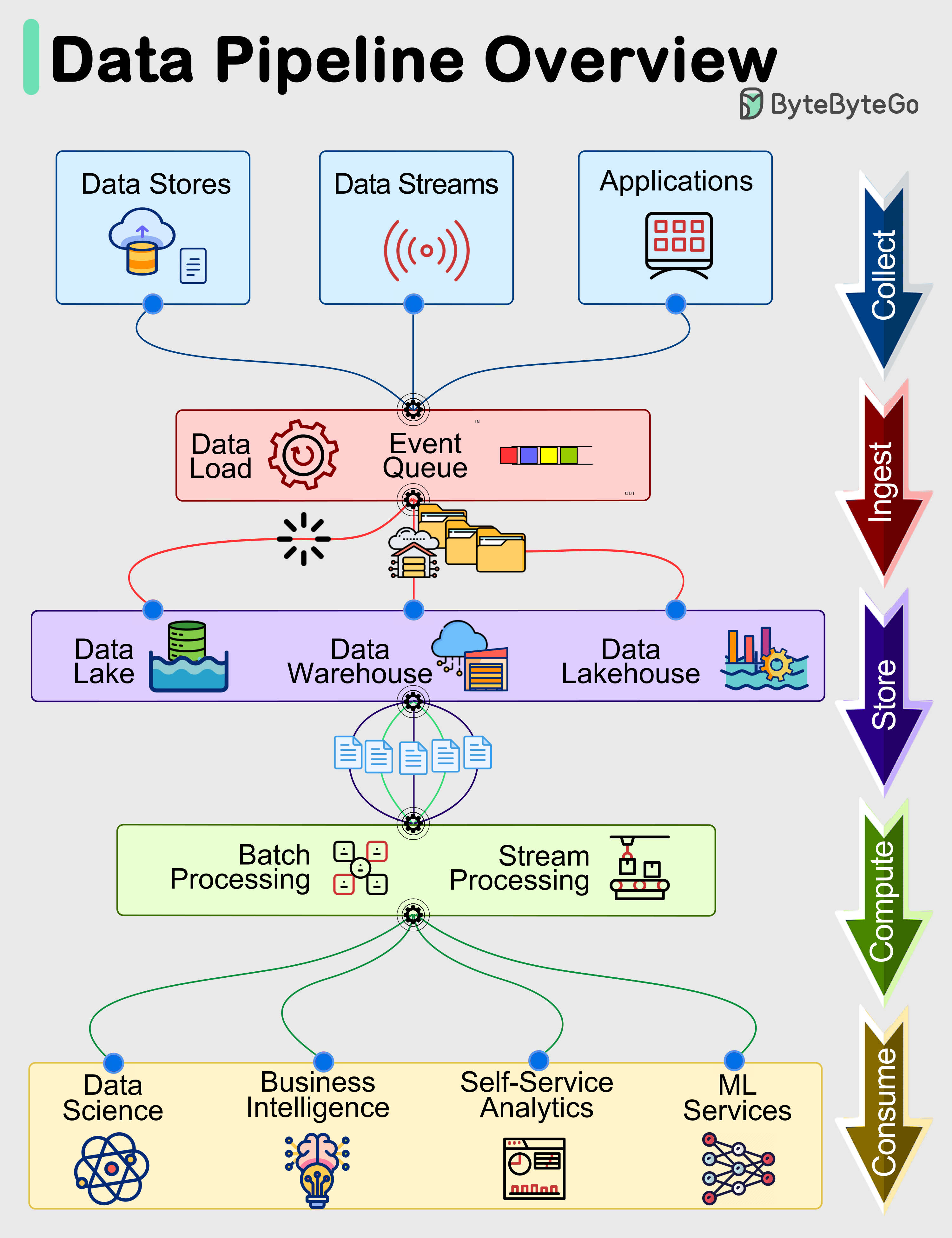
Benefits of Using dldss612
The real value of dldss612 becomes clear when you look at the benefits it offers in everyday scenarios.
Increased Efficiency
One of the biggest advantages is time-saving. By automating repetitive tasks, you can focus on more meaningful work.
Improved Accuracy
Manual processes often lead to errors. With dldss612, consistency improves significantly.
Better Decision-Making
When data is organized and processed effectively, it becomes easier to draw insights and make informed decisions.
Scalability
As your needs grow, dldss612 adapts without requiring a complete overhaul of your system.
Common Use Cases of dldss612
The versatility of dldss612 makes it applicable in many different contexts.
Business Operations
Companies use it to streamline workflows, manage resources, and improve productivity.
Data Management
Handling large volumes of data becomes easier and more efficient.
Digital Platforms
From websites to applications, dldss612 helps optimize performance and user experience.
Personal Productivity
Even individuals can apply its principles to manage tasks, schedules, and goals more effectively.
dldss612 vs Traditional Methods
To truly appreciate dldss612, it helps to compare it with older approaches.
Traditional Methods
- Manual processes
- Limited scalability
- Higher risk of errors
- Time-consuming workflows
dldss612 Approach
- Automated systems
- Scalable frameworks
- Consistent performance
- Faster execution
The difference is clear: modern systems are designed to adapt and improve continuously.


Key Features of dldss612
Let’s take a closer look at what makes dldss612 stand out.
Flexibility
It can be customized to suit different needs and environments.
Integration Capability
Works well with existing tools and systems.
Continuous Improvement
Built to evolve with changing requirements.
User-Friendly Design
Despite its complexity, it’s designed to be accessible and practical.
How to Implement dldss612
Getting started with dldss612 doesn’t have to be complicated. A step-by-step approach makes the process manageable.
Step 1: Identify Your Needs
Understand what problems you want to solve.
Step 2: Map Your Workflow
Break down your current processes to see where improvements are needed.
Step 3: Apply the Framework
Introduce dldss612 principles gradually.
Step 4: Monitor and Optimize
Track performance and make adjustments as needed.
Challenges and Limitations
Like any system, dldss612 comes with its own set of challenges.
Learning Curve
Understanding the framework may take time initially.
Initial Setup Effort
Setting up the system requires planning and effort.
Adaptation Period
Teams and individuals may need time to adjust to new processes.
Despite these challenges, the long-term benefits often outweigh the initial hurdles.
Best Practices for Using dldss612
To get the most out of dldss612, consider these practical tips:
- Start small and scale gradually
- Focus on consistency
- Regularly review performance
- Keep processes simple and clear
- Encourage collaboration
These practices ensure smoother implementation and better results.
Future of dldss612
The relevance of dldss612 is only expected to grow. As technology continues to evolve, systems that prioritize efficiency, automation, and adaptability will become even more important.
Emerging Trends
- Increased automation
- Smarter data processing
- Greater integration with AI tools
- Enhanced user experience
These trends suggest that dldss612 will remain a valuable concept in the years ahead.
FAQ
Frequently Asked Questions
What exactly does dldss612 mean?
It refers to a structured system or framework designed to improve efficiency, organization, and scalability in various processes.
Is dldss612 difficult to learn?
Not necessarily. While there may be a learning curve, it becomes easier with practice and real-world application.
Where can dldss612 be used?
It can be applied in business operations, data management, digital platforms, and even personal productivity.
What are the main benefits of dldss612?
The key benefits include efficiency, accuracy, scalability, and improved decision-making.
Can beginners use dldss612?
Yes, beginners can start with simple implementations and gradually expand as they gain confidence.
Does dldss612 require special tools?
Not always. It can often be implemented using existing tools and systems.
How long does it take to see results?
Results can vary, but improvements are often noticeable once the system is properly implemented.
Is dldss612 suitable for small projects?
Absolutely. It can be scaled down for smaller tasks and expanded for larger ones.
Conclusion
Understanding dldss612 opens the door to smarter, more efficient ways of working. What might seem complex at first quickly becomes a practical tool for simplifying tasks, improving accuracy, and achieving better outcomes.
The key is to approach it step by step—start small, stay consistent, and keep refining your process. Over time, the benefits become clear, and what once felt unfamiliar turns into a powerful advantage in both professional and personal settings.